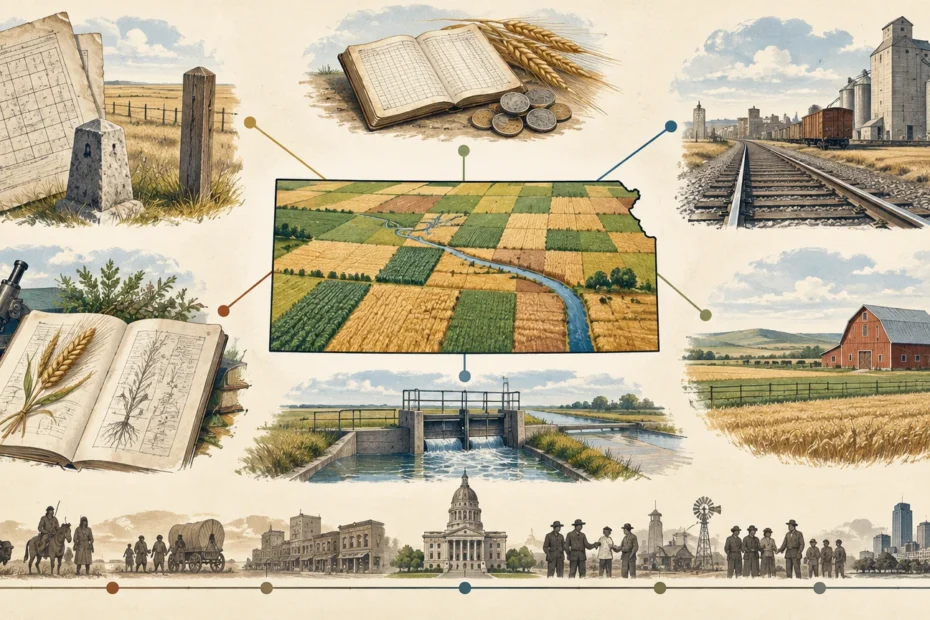
How Agricultural Policy Shaped Kansas Political Coalitions
Kansas agricultural politics developed through recurring disputes over land, credit, transportation, research, ownership and water—not through a single, permanent rural voting bloc.

Kansas agricultural politics developed through recurring disputes over land, credit, transportation, research, ownership and water—not through a single, permanent rural voting bloc.

A practical Kansas guide to ordering readable political yard signs, selecting compatible hardware, reviewing attribution, and planning lawful placement and removal.
Ken Paxton’s felony charges were dismissed without a guilty plea, but only after he paid about $271,000 in restitution and completed service and ethics training.

Kansas county commissioners govern collectively through a county board. Learn what the board controls, where its authority ends and how residents can track its decisions.
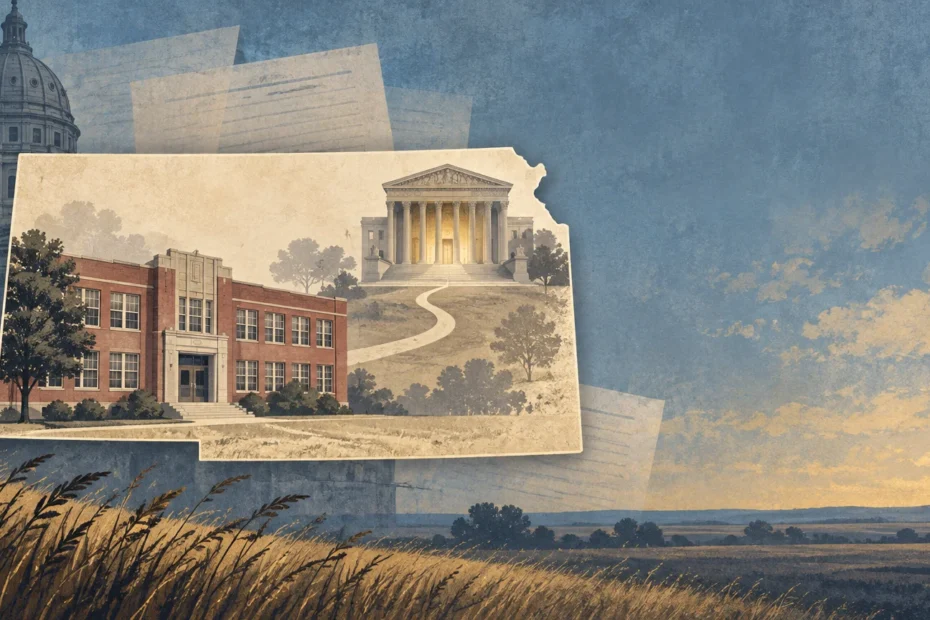
Kansas was central to Brown v. Board because state law enabled segregation, Topeka officials administered it, local families challenged it, and federal courts changed the constitutional rule.

Kansas cabinet agencies usually center authority in a department head, while boards and commissions often act collectively. The governing statute determines the actual structure, powers and degree of independence.
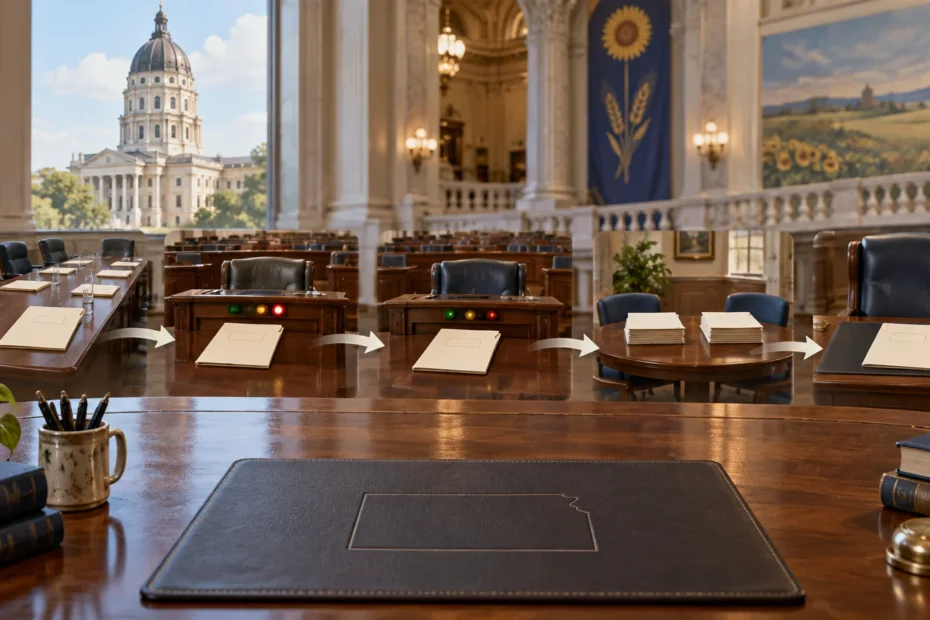
A step-by-step guide to the Kansas legislative process, including committees, floor votes, conference work, governor action and effective dates.

A practical framework for budgeting campaign signs, flyers, door hangers, mail pieces, stickers, delivery, reserves and late-cycle reorders.
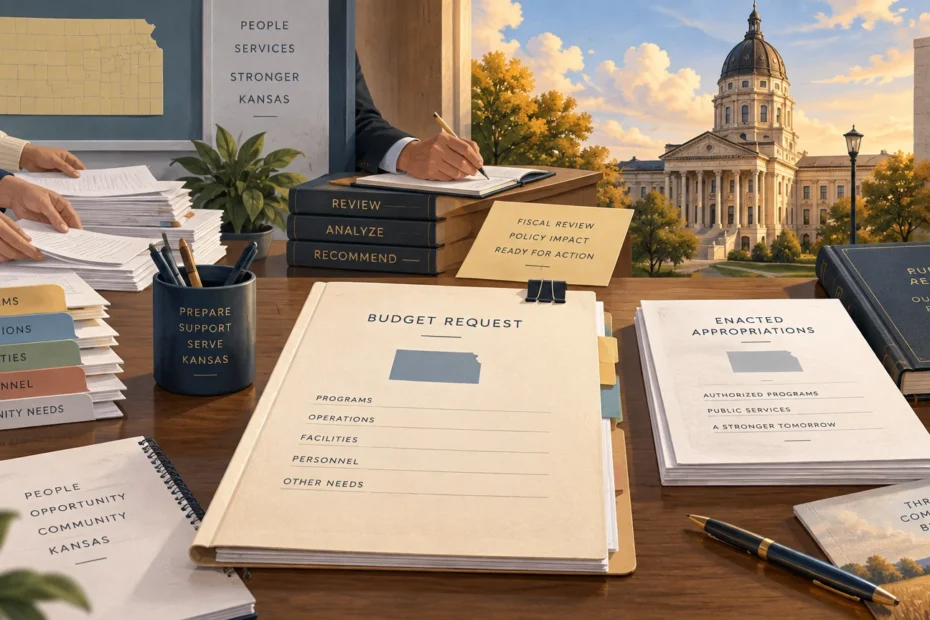
A practical guide to how Kansas agencies prepare budget requests, defend them before executive and legislative reviewers, and administer enacted appropriations.
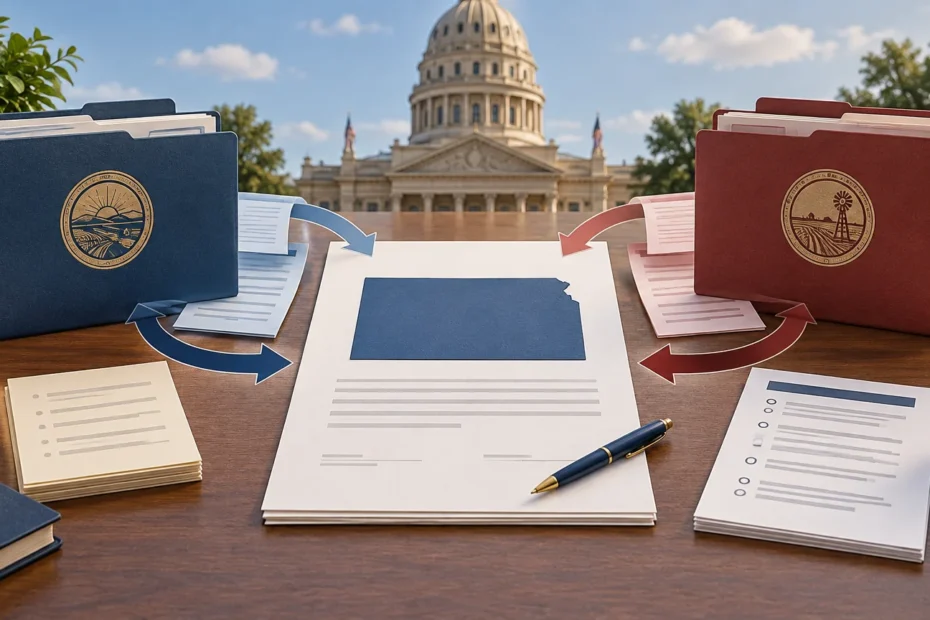
Kansas agencies can coordinate through routine administrative work, written agreements, statutory councils, or legislative reorganization. The governing authority determines who decides, who pays, and who remains accountable.